

Check Whether Your Bank Card Is Supported
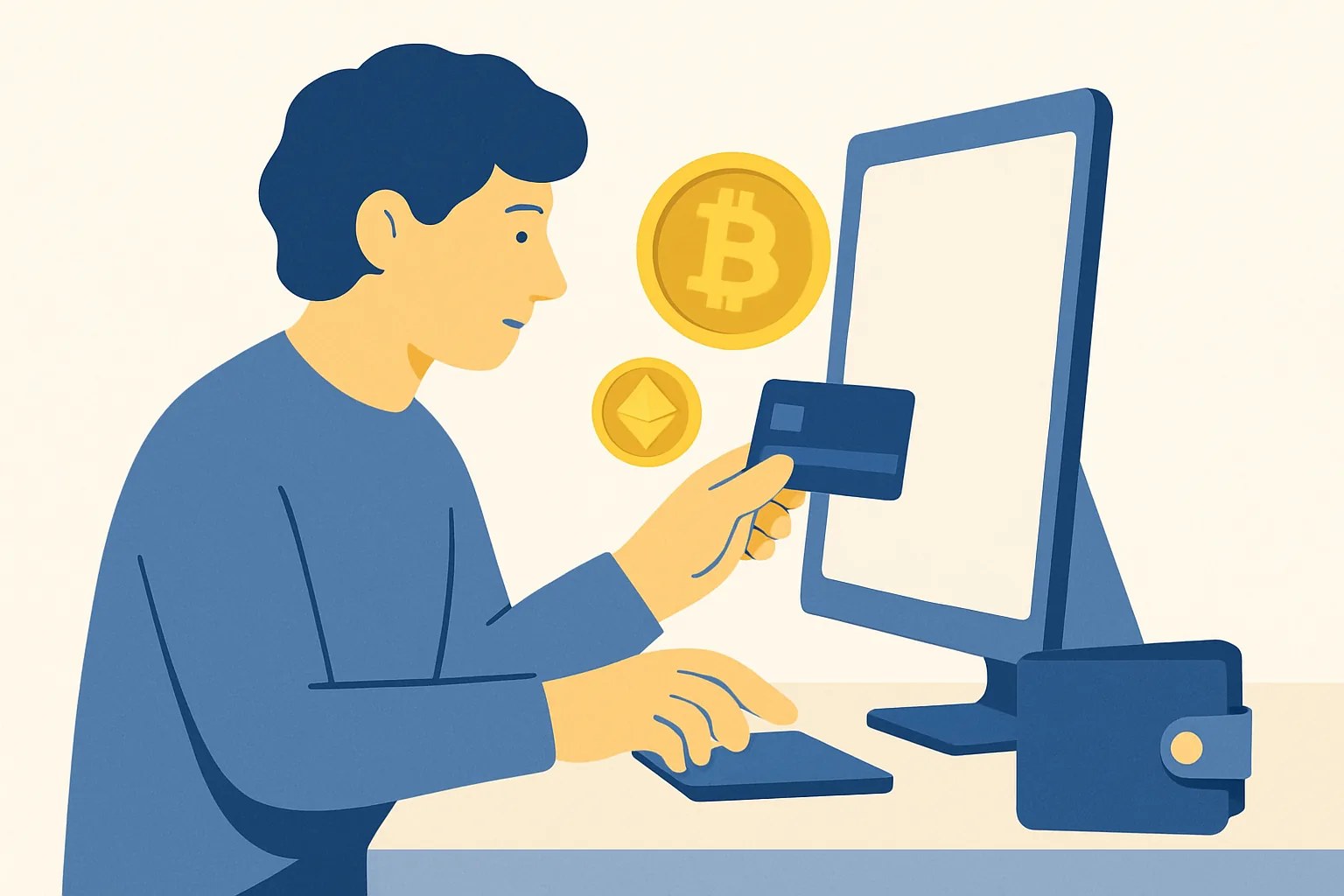
Start with the card itself. A bank card that works for everyday shopping may still fail on a crypto exchange, and that failure usually starts with a simple mismatch: card type, issuing bank, or country setting. Debit and credit cards are often treated differently, and some platforms accept one but not the other. If you are trying to figure out how to buy cryptocurrency with a bank card safely, this first check saves time and avoids avoidable declines.
Look at three details before you enter any payment page: the card brand, the country of issue, and whether the card supports online international payments. A card issued in one region can be blocked on another exchange, even if the card is active and has enough funds. Some banks also block crypto-related purchases by default, so your card may be valid but still unusable for this kind of purchase. That is annoying. It happens often.
Debit cards can draw from your balance immediately, while credit cards may be subject to cash-advance rules or extra monitoring by the bank. That difference matters because the bank may treat the transaction as higher risk, especially if the merchant category code looks unfamiliar. Before you try the purchase, check the exchange’s payment page for accepted card types and your bank’s card policy. One phone call can prevent two failed attempts.
Compare Card Purchase Fees Before You Pay
Card buying looks simple at the checkout screen, but the real cost has more than one layer. The final amount may include exchange fees, card purchase fees, FX markup if your card currency differs from the exchange currency, and bank fees. If the platform shows only one number and hides the rest until the last step, stop and inspect the breakdown carefully.
A basic rule helps here: compare the displayed crypto price with the total card charge, not just the headline fee. A low exchange fee can be offset by an expensive card processor charge. A bank can also add a foreign transaction fee or convert the amount at a rate you did not expect. Small percentage differences become noticeable on larger orders, and the cost can climb fast on a card purchase that looks harmless at first.
Read the order page like a bill. You want to see the coin amount, the fiat amount, the exchange fee, the card fee, and the final charge in one place. If the platform does not show this clearly, that is a warning sign. A well-designed payment flow tells you what you are paying before you authorize it, not after the receipt arrives.
Some traders also compare card purchases with bank transfer pricing before making a decision. That matters because a card can be faster but pricier, while a transfer can be slower but cheaper. If you buy regularly, even a modest fee difference can shape your long-term cost. For a broader look at fee structures, see how much do crypto exchange maker fees scale for different activity levels.
Understand Common Payment Decline Reasons
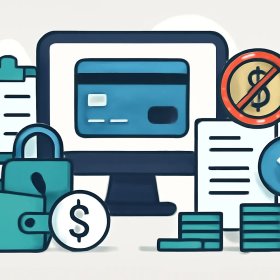
Card declines are not random. Banks and payment processors usually stop a transaction for a reason, and the reason often appears in the bank app or a text alert. The most common payment decline reasons include fraud filters, failed 3D Secure authentication, unsupported card types, incorrect billing details, card limits, and country restrictions. If you know the category, you can usually fix it faster.
Fraud filters are common with crypto-related spending because banks flag unusual merchant patterns, new devices, and cross-border activity. If your bank sees a card payment to a crypto platform for the first time, it may stop the charge even when the balance is fine. 3D Secure can fail too, especially if the bank app does not open, the code expires, or the page times out before approval. The result looks like a simple decline, but the cause is often the authentication step.
Billing details matter more than many people expect. A name mismatch, a wrong postcode, or a card registered to a different address can trigger an instant refusal. Card limits also play a part, and those limits may be daily, online-only, or international. If the bank classifies the merchant as risky or blocks crypto purchases by policy, the decline will repeat until the policy changes. That is not a platform problem every time.
Country restrictions can be the final barrier. Some exchanges do not accept cards from certain regions, and some banks do not allow card spending with crypto merchants at all. If you want a deeper look at compliance flags that can overlap with payment checks, read crypto exchange AML red flags. One mistaken address entry can be enough to sink the payment.
Use a Safer Card Purchase Flow
Safe buying starts before the payment button. Use a reputable platform, create the account on a trusted device, and confirm that the website address is correct before you log in. A fake checkout page can look polished. It only needs one mistake from you. If you want how to buy cryptocurrency with a bank card safely to be more than a slogan, treat the payment flow as a series of checks, not a quick click.
First, verify the platform name and the payment domain. Then open the card form and confirm that the amount, currency, and coin match your order. Enter the card details carefully. A typo in the number or expiration date can trigger a decline or, worse, send you into a confusing retry loop. Take a second to review the final amount before you approve it, because once the bank confirms the charge, the crypto order may lock in immediately.
A good flow is simple. Select the asset, choose card payment, read the fee box, check the wallet destination or account destination, and only then authorize the charge. If the platform offers a preview page, use it. If it shows a last-minute price change, read that line twice. Two clicks are enough to make a mistake; one careful pause can prevent it.
For platforms that ask for identity checks, keep your documents ready and make sure the card is in your own name. If you need background on identity checks, see crypto exchange KYC document requirements. A platform that wants more verification is not automatically unsafe. It may simply be trying to match the cardholder with the account holder.
Reduce Risk When Approving the Card Payment
Approval is the point where many users rush. Don’t. If the exchange sends a 3D Secure prompt, read the merchant name and the amount before you approve it. The request should match your order exactly, including the currency and the last digits of the card charge. If the amount looks different by even a small margin, stop and check the page again.
Use a private connection for the payment. Public Wi‑Fi is not a good place to enter card details or confirm a bank prompt. A home network is better, and a mobile connection can be better still if you are away from home. Pop-ups and redirect chains are another reason to slow down. A payment page should not bounce you through three unrelated screens.
Keep your phone close during 3D Secure approval, because many banks require a code, app tap, or biometric confirmation. If the bank app opens, review the transaction text carefully. If the app says the merchant is unknown or the charge looks larger than expected, reject it and return to the order page. That one decision can prevent a disputed charge later.
Some traders prefer to check broader platform safeguards before paying by card, especially if they plan to hold funds on the exchange for a while. For a related angle, see what changed in crypto exchange security. A payment approved too quickly is often the wrong payment.
What to Do If the Card Is Declined
A decline does not mean the idea is dead. Start with the issuer message, because the bank often gives the fastest clue: suspected fraud, online spending blocked, insufficient limit, or merchant not supported. If the message is vague, check the bank app, then the exchange screen, then your email. Look for the exact decline code if it exists. One code can tell you more than ten guesses.
Retry only once. Repeated attempts can look like suspicious behavior and may trigger stricter filters. If the first attempt failed because of a typo or a missed authentication prompt, correct the problem and try again a single time. If it fails again, stop and contact the bank. A third try often adds stress without adding information.
Ask the bank whether the card is allowed for crypto purchases, whether international payments are enabled, and whether any daily limit is blocking the charge. If the card is a credit card, ask whether the transaction is being treated as a cash advance. If the bank says the card cannot be used for this type of merchant, switching to another payment method may be the fastest answer. A stubborn decline is a clue, not a puzzle to solve by force.
Some users also compare card buying with exchange payout and withdrawal policies before they retry, because a card purchase that is easy today can still become awkward later. A useful reference on account constraints is crypto exchange withdrawal limits by verification. If the platform and the bank keep saying no, believe them.
Confirm the Purchase and Keep Records
Once the payment clears, confirm that the order actually completed. Check the exchange order history, the transaction status, and the wallet or account balance. Do not assume success just because the bank shows a pending charge. Pending is not final. If the exchange receipt appears, save it.
Keep three records at minimum: the order ID, the card receipt or bank statement entry, and the time of purchase. If the platform shows a transaction hash or internal trade reference, store that too. These details matter if you need support later, especially when a charge is pending but the crypto balance has not appeared yet. A screenshot can be useful, but a saved receipt is better.
Check the amount again after the order settles. Sometimes the card charge appears in one currency and the bank converts it in another, which can make the final debit look different from the first authorization. That is normal in some cases, but it should still match the fee disclosure you saw before paying. If it does not, contact support promptly and include the record set you saved.
If you care about tax tracking from day one, keep the purchase date, asset, amount, and fiat value together in one place. That habit is easier than reconstructing trades later, and it pairs well with crypto exchange tax reporting for beginners. The receipt you save today can spare you a headache next season.
When to Stop and Choose Another Payment Method
There are times when a bank card is not the best path. If the card fails repeatedly, the fee disclosure is unclear, or the bank explicitly blocks crypto merchants, pushing harder usually adds cost without improving the result. Three declines are enough to rethink the method. More retries can lock your card or trigger a fraud review.
Switch methods when the platform hides fees until the final screen, when the payment page keeps redirecting, or when the issuer and the exchange seem to disagree on what the transaction is. A bank transfer, local payment rail, or another approved funding route may be cheaper and less frustrating. The right choice is the one that fits your bank’s policy and the platform’s rules, not the one that looks fastest for ten seconds.
Stop immediately if you see a payment page asking for information that should never be part of a card purchase, or if the order screen changes after you have already approved the amount. Those are not normal signs. They are reasons to step away and try a different route. A cautious exit is better than a messy dispute.